
Sip by Sip · drinking-stages guide
⤓ Download the ebook (PDF)⤓ PDF
Sources you can trust
Every milestone, age range and technique in Sip by Sip is synthesized from published pediatric guidance and fact-checked against it — then written in plain English. It's educational information, not medical advice.
Each badge and citation links to the source. Cited as sources — Poki Yoki is not affiliated with or endorsed by these organizations.
Where this guide says open cups and straws are "favored by SLPs" or "support" oral-motor development — rather than claiming any cup "prevents" speech or dental problems — that wording is deliberate. ASHA notes there is no strong scientific proof of direct cause-and-effect from sippy cups; the guidance rests on oral-motor mechanics and clinical experience, with real-world risk tied to prolonged, heavy use. We'd rather give you the honest version.
Welcome
Drinking looks automatic. It isn't. Getting liquid from a cup into a tiny body — without choking, without wearing it — is one of the most complex motor skills your child will master in their first six years. And the rules change every single time you hand them a different cup.
Breast and bottle teach a rhythm. A straw teaches suction. An open cup teaches control. Each one is a stepping stone that builds the skill the next one needs. When parents understand that hidden staircase, two things happen: the "why won't you just drink it?!" frustration melts away, and you can actually help — at the right time, with the right cup, using the same small tricks pediatric feeding therapists use every day.
That's what this guide is. We pulled together guidance from the American Academy of Pediatrics (AAP), the American Speech-Language-Hearing Association (ASHA), and practicing pediatric speech-language pathologists (SLPs) and occupational therapists (OTs), and turned it into a plain-English, stage-by-stage roadmap you can actually follow.
Ages in this book are typical ranges, not deadlines — every child is on their own clock. Where the experts genuinely disagree, we say so instead of pretending there's one right answer. And this is general education, not medical advice. For anything about feeding safety, choking, swallowing, or speech, your pediatrician or a feeding-trained SLP/OT is the right call. See the red-flags page near the back.
Contents
Part One
Five skills your child has to build — in order — to go from newborn to big-kid cup. Understanding them is the difference between fighting the process and coaching it.
A newborn's first feeding job is a safety problem disguised as a feeding one. The airway and the food path share the same throat, so a baby has to time every swallow into a quiet beat of their breathing — or milk heads toward the lungs. Mature feeding settles into a roughly 1:1:1 suck-swallow-breathe rhythm, with the swallow tucked into the pause between breaths. This coordination typically comes online around 34 weeks of gestation, which is why very premature babies often can't feed by mouth at first.
The very first thing your baby learns is to not breathe and swallow at the same instant. Every later drinking skill is built on top of this one safety rhythm.
A straw is a genuinely new physics problem. To pull liquid up a tube against gravity, your child has to (1) form a tight lip seal around the straw, (2) generate sustained negative pressure — a vacuum — inside a closed mouth, and (3) chain that back into the old suck-swallow-breathe sequence. The catch: a beginner's instinct is often to blow, not suck, and the first successful pull usually delivers way more liquid than they expected (cue the cough).
A straw is the first time your child creates a vacuum on purpose with a sealed mouth. The same lip closure, cheek tension, and tongue control are the building blocks of clear speech sounds — which is why so many SLPs love straws.
Different vessels park the tongue in different places. Therapists distinguish an immature swallow (a front-to-back tongue motion, normal in infancy) from a mature swallow (the tongue tip lifts to the ridge behind the upper front teeth). Open cups and straws let that tongue tip rise naturally. A rigid spout, by contrast, sits on top of the tongue and can keep it resting low and forward — closer to the infant pattern.
With an open cup, drinking is a tilt problem: as the liquid drops, your child has to tip the cup and their head further and further to chase it — while still controlling the flow. That last mouthful is genuinely hard. With a straw, the same problem shows up as keeping the straw tip down in a shrinking puddle. A weighted straw solves it mechanically: a dense tip (the opposite of a bobber) follows the liquid wherever it pools, so the child gets the last sip without tipping their head back at all.
A child can master suction long before they master head-tilt-plus-flow-control. A weighted straw lets them succeed at one new skill at a time instead of two at once — which is exactly how good coaching works.
Therapists rate the open cup as the highest-skill vessel — it asks the lips, tongue, cheeks, and jaw to cooperate. Two ideas to know: jaw stability (a steady jaw base, so the lips and tongue can work independently — early on, kids "borrow" stability by biting the rim) and graded jaw movement (opening and closing in small controlled increments, which is what lets a child take a measured sip instead of guzzling).
You'll hear that spout cups cause speech delays or crooked teeth. The truth is softer: ASHA itself notes there's no strong scientific proof of cause-and-effect. The concern is based on the mechanics above plus clinical experience, and the real-world risk is tied to prolonged, heavy spout use — not the occasional cup. So throughout this book we say open cups and straws support mature oral-motor patterns and are favored by SLPs — not that anything "prevents" a speech problem.
Part Two
The official anchors from the AAP and ASHA, on one page. Pin it to the fridge.
The drinking ladder — each step builds the skill the next one needs.
| Age | The new skill | Reach for | Ease off |
|---|---|---|---|
| 0–6 mo | Suck-swallow-breathe rhythm | Breast / slow-flow paced bottle | — |
| ~6 mo solids start, sits up | First sips; lip closure begins | Open cup (assisted) + straw cup | Hard-spout sippy |
| 6–12 mo | Purposeful suction; mature swallow begins | Straw cup (often weighted) + open-cup practice | 360 / spoutless cups |
| 12–18 mo | Cup becomes the everyday drink; wean bottle | Straw + open cup | Bottle (gone by ~18 mo) |
| 1.5–2 yr | Straw mastery; open cup with help | Open cup (small fills) + weighted/angled straw | Sippy / spout cups |
| 2–3 yr | Independent open cup; self-serve | Open cup as default + straw bottle on the go | — |
| 3–4 yr | Confident open cup; pouring | Open cups + straw water bottle | — |
| 4–6 yr | School-ready, self-managed hydration | Leak-proof straw bottle they can open themselves | — |
Part Three · The Stages
Your newborn feeds by reflex, not by choice. A touch on the cheek triggers rooting; the suck-swallow-breathe rhythm does the rest. Babies self-regulate by sucking, pausing, and breathing — and a flow that's too fast blows up that rhythm.
Start with the slowest / newborn-flow nipple and only move up if your baby is clearly working too hard or frustrated. (Many breastfed babies stay on slow-flow the whole bottle journey to protect the latch.) Hold baby semi-upright, never feeding flat on their back.
Hold the bottle close to horizontal so the nipple is only partly full, and let your baby suck-and-pause naturally with frequent breaks to breathe and burp. This makes them work a little for the milk, the way they would at the breast, and helps prevent overfeeding.
Think responsive, not robotic: follow your baby's hunger and fullness cues (releasing the nipple, turning away, slowing down) rather than the clock or the ounce line. Don't pace so hard that intake suffers.
The habits that keep feeds calm and safe.
This is the one stage the cup drawer sits quiet — but it's where the journey starts. Stage 2 is just weeks away, and the cup you pick then sets up everything after. Read ahead.
Right as solids begin around 6 months, your baby is ready to start practicing cups. This is the single highest-leverage window in the whole journey: SLPs recommend introducing both an open cup and a straw cup now. Independent, spill-free drinking isn't expected yet — this is batting practice.
On contents: many SLPs suggest breast milk/formula in the open cup early and introducing water around 9 months in small amounts; breast milk/formula stays the primary drink in year one. Check exact amounts with your pediatrician.
The squeeze method (easiest first win): use a squeezable straw cup or honey-bear cup; when your baby's lips are on the straw, give a gentle squeeze so a little liquid travels up into their mouth. Squeeze less and less over days until they pull it up themselves. Many babies get it in a single day. (Full step-by-steps in the Playbook, Part Twelve.)
Open-cup and straw practice trains the tongue toward a mature swallow, helps with teething, and avoids the all-day sucking that pools sugars on new teeth. Starting the habit at 6 months makes the later "off the bottle" deadline a non-event.
Tap each one that's true today.
Some spilling and dribbling is normal practice, not failure. But if your baby coughs constantly at the cup/straw after a month or two of practice, or is older than ~15 months and still not drinking from any cup, check in with your pediatrician or an SLP.
This is where a system earns its keep. One Poki Yoki base takes a weighted "any-angle" straw for these first independent sips (so they get liquid even when the cup tips), and the very same lid swaps to an angled "last-sip" straw and later a simpler top as their skill grows. You're not buying a new cup every few months — you're swapping a $5 straw on the cup you already own. Replace the part, not the cup.
The cup graduates from practice toy to everyday drink. The AAP's guidance: begin weaning the bottle around 12 months and be fully off it by ~18 months — aiming for an open cup by about age 2. (Reasonable targets vary a bit by source: 12–18 months AAP, 12–15 months pediatric dentistry. The defensible rule of thumb: off by ~18 months, ideally 12–15.)
Two reputable sources, two slightly different orders — pick what fits your child. The common thread: go gradually and replace, don't just remove.
| AAP approach | Speech Sisters (SLP) approach |
|---|---|
| Keep mealtime bottles first; drop the others — nap & bedtime first. | Drop the daytime bottle first, then morning, and eliminate the nighttime bottle last. |
Put only plain water in the old bottle and serve the good stuff (milk, their favorite drink) only in the cup. The bottle quietly loses its appeal. And replace the comfort, not just the bottle — a snuggle, a song, or a story fills the gap that the bedtime bottle used to. Weaning typically takes 1–6 months.
Drop one bottle at a time — tick each off as you go. Saves automatically.
Never put your child to bed with a bottle of milk or juice (decay risk). Still leaning heavily on a bottle past 18 months, or not drinking from any cup by ~15 months, is worth raising with your pediatrician.
The hand-off is easier when the new cup is genuinely better than the bottle — spill-proof enough to trust on the couch, light enough for little hands, and theirs. A modular cup that grows with them means the cup that replaces the bottle is the same cup they'll carry to kindergarten — just with a different straw on top.
Sips get bigger and swallows get smoother — less choking, less spilling. The bottle is gone. Now the work is twofold: polish the straw and start real open-cup practice with supervision. SLPs suggest balancing both rather than living on one.
A plain straw only reaches the liquid directly under it; tip the cup and it sucks air, and a toddler doesn't yet have the head-tilt control to chase it. A weighted straw (the tip follows the liquid) or an angled straw (aims into the mouth) lets them get every drop with good head and neck posture — and skips the "it's empty but it's not" meltdown.
This is the stage to phase out hard-spout cups. If you use one as a short bridge, choose a valve-free design (no forced sucking). And the red flags worth a call at any age: frequent coughing/gagging on liquids, a wet or gurgly voice during/after drinking, or liquid coming out the nose.
Tap what's true today.
The "last sip" problem is exactly what an angled straw and a weighted "any-angle" straw were built for — and on a modular system they snap onto the cup you already use, so you can match the straw to the week's skill instead of buying a whole new cup. The valve-less "Free Flow" option means there's no hidden valve to fight (or to grow mold in).
By 2–3, most children can drink from a regular open cup without major spills, and many use open cups as their default by about 36 months. New bonus skill: beginning to pour from a small pitcher.
The self-serve skills of the 2–3 year stretch.
Independence is the goal — and a cup a toddler can carry, drink from at any angle, and not flood the couch with builds confidence faster. Keep an open cup in rotation at the table and a spill-proof straw cup for the car and the park; on a modular system that's one cup, two configurations.
Everyday open-cup drinking with much less spilling, and pouring skills sharpen. That grasp-tilt-rotate of a pitcher is quietly building the hand and wrist strength and hand-eye coordination your child will later use for writing and cutting.
Toddlers 1–3 years: about 4 cups of fluids a day (water + milk combined); rising with heat and activity. These are ballpark figures from the AAP — adjust for your child.
Limit sugary drinks (teeth and habits). Persistent coughing on thin liquids, or refusing to drink enough to stay hydrated, is worth a professional's eyes.
A straw water bottle for the car and the playground, open cups at home — the same modular cup carries both jobs as your child's skills mature, so the gear keeps up instead of piling up in the drawer.
Reliable open-cup and water-bottle mastery. Fine-motor skills are mature enough to open, close, and refill a leak-proof bottle independently and to self-manage hydration across a long, busy day.
Ages 4–8: about 5 cups of fluids a day, more with heat and exercise. For active kids, sip water during breaks rather than waiting for thirst.
"Big kid" doesn't have to mean "brand-new bottle." The same cup system your child started on at 6 months now wears a grown-up straw lid and goes to preschool — one cup, a whole childhood. The last cup you'll ever buy.
Full independence: your child manages their own hydration through a school day, opens and refills their own bottle, and drinks neatly from open cups at home and in the lunchroom.
Older children: roughly 7–8 cups a day, adjusting for heat and activity. Watch for dehydration signs on hot/active days — dark urine, low energy, headache — and offer water more often.
Before the first day, can they…
The endgame of a modular system: a leak-proof bottle a five-year-old can run themselves, built from the same parts they've grown up with — and when the straw finally wears out, you replace the straw, not the bottle. No drawer full of cups that never quite worked.
Part Ten
Every vessel parents reach for, what it's good at, what to watch — and the modern feeding-therapy consensus on the "best" path.
| Vessel | Best for | The catch |
|---|---|---|
| Bottle 0–6 mo+ | The infant suckle; measurable intake | Match flow to cues; wean by ~18 mo. Too-fast flow → gulping/coughing. |
| Open cup (incl. tiny trainers) ~6 mo with help | Gold standard for oral-motor development; no parts to grow mold | Messy; needs adult support early; not for on-the-go. |
| Straw cup (top straws) ~6–9 mo+ | Builds lip/cheek/tongue control; travels well; SLP favorite | Straws trap mold if not cleaned; don't force it too early. |
| Weighted / angled straw ~8–12 mo+ | Solves the "last sip"; drink at any angle; great posture; OT-recommended for special needs | One more piece to clean well. |
| Hard-spout "sippy" minimize | Spill control as a short bridge | Preserves the infant suckle pattern; SLPs say skip it or phase out by ~3. |
| Soft-spout transition cup | A gentler bottle-to-cup bridge | Still a spout (milder version of the concern). |
| 360 / spoutless trainer | Genuinely spill-proof; drink from any rim point | Hidden-rim mold behind the valve; some therapists no longer recommend (jaw/tongue posture). |
| Insulated steel bottle ~16 mo+ / school | Durable, keeps water cold, independence | Heavy when full; straw/spout parts still need cleaning. |
A valve is a one-way silicone gate that stays sealed until your child sucks. It keeps the bag dry — but it (a) forces strong suction, reinforcing the very pattern SLPs want to move away from, and (b) is a classic mold trap. Valve-less designs draw more naturally and clean far easier, but can leak if knocked over. The pro move: whatever you choose, buy the one that comes fully apart for cleaning.
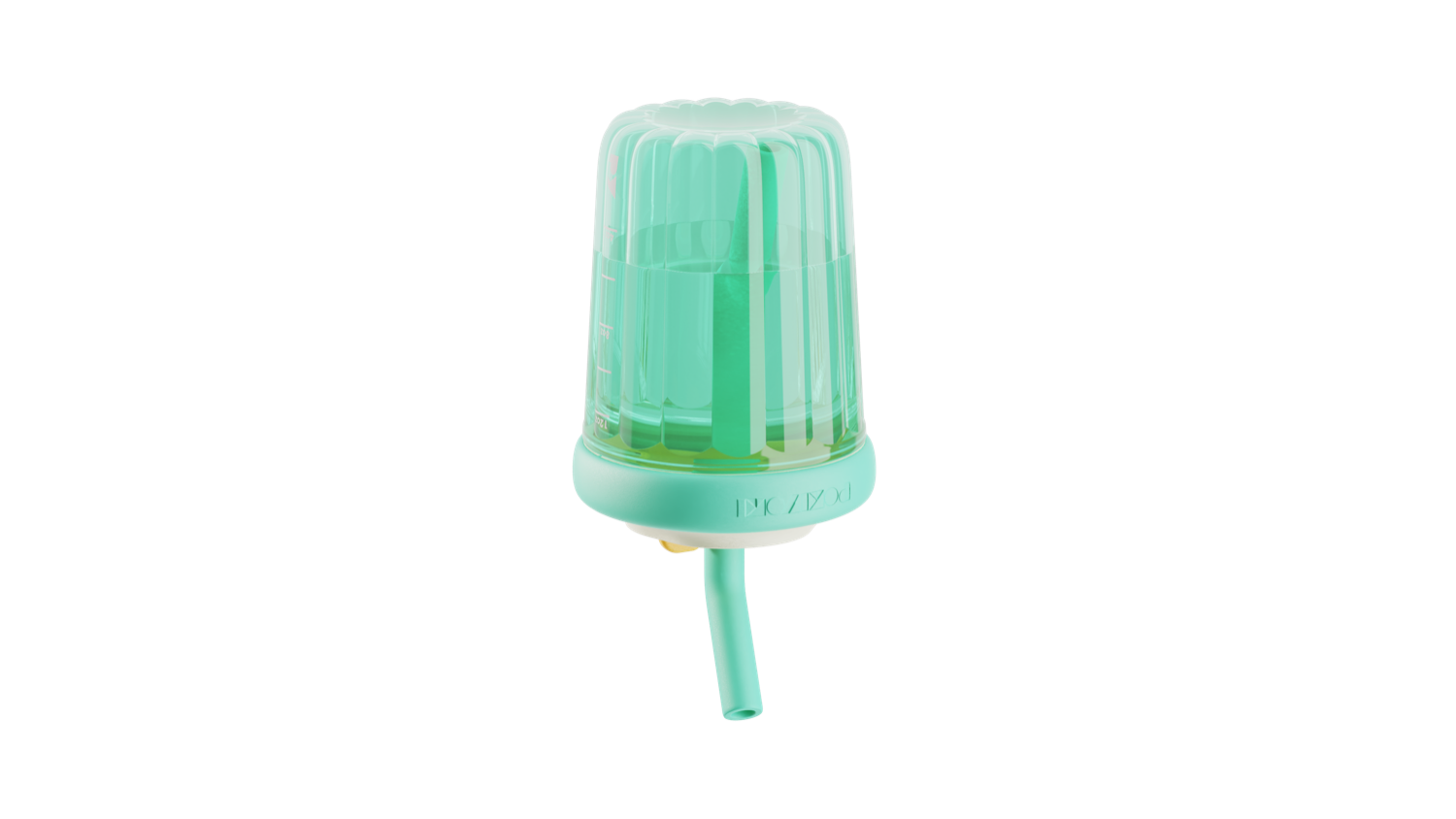
Weighted and angled "any-angle" straws aren't only a toddler training tool — pediatric occupational therapists use them as adaptive drinking aids. The added weight gives proprioceptive/sensory input and better motor control, and an any-angle straw lets a child with limited mobility or oral-motor differences drink without precise positioning. If your child has feeding, sensory, or motor challenges, an OT or SLP can help you choose the right straw and technique — and many of these tools are the same ones in this guide.
This is the white space the whole system was designed around: spill-proof with a valve-less option (no hidden valve to trap milk or grow mold), parts that fully come apart to clean, and interchangeable straws — weighted, angled, and standard — so one cup walks your child down the exact path on these pages. Modular, dishwasher-safe, and backed by a lifetime warranty: replace the part, not the cup.
Part Eleven
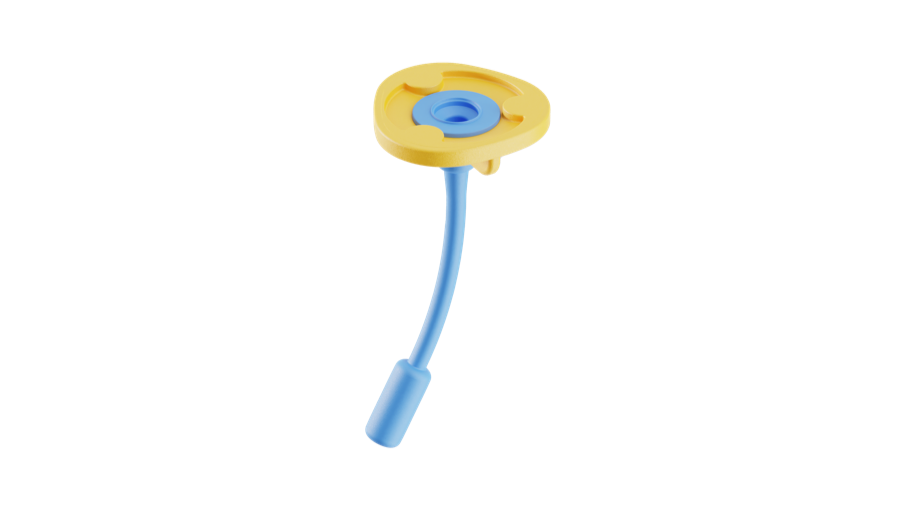
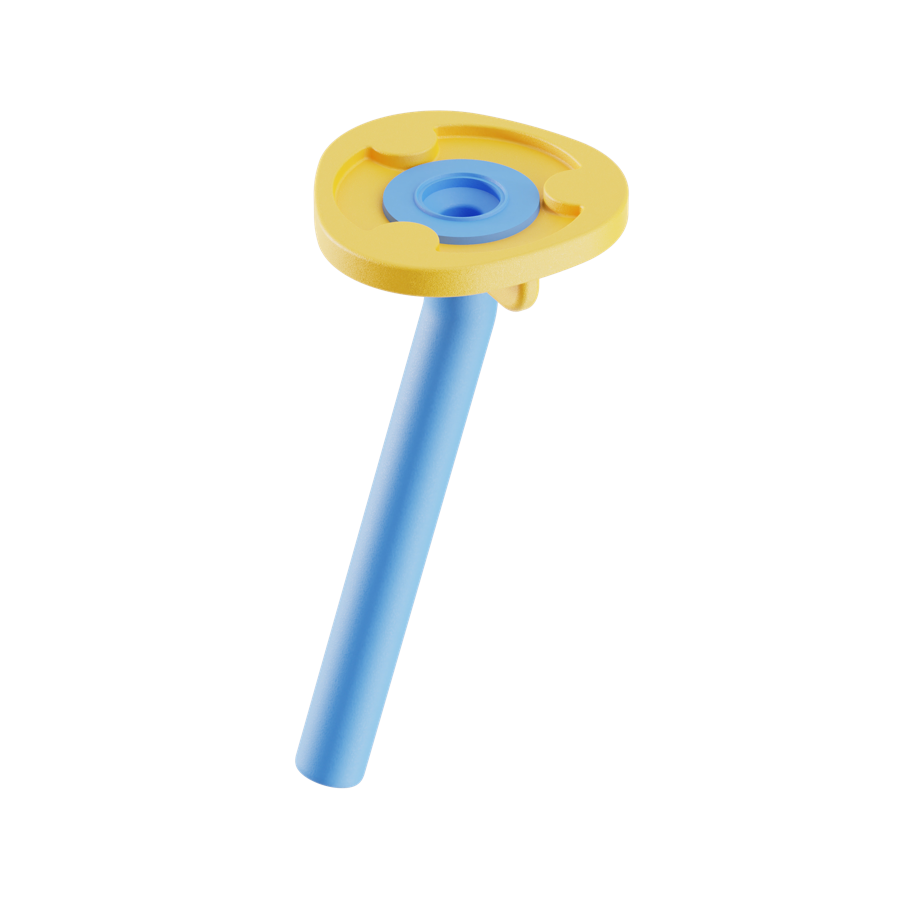
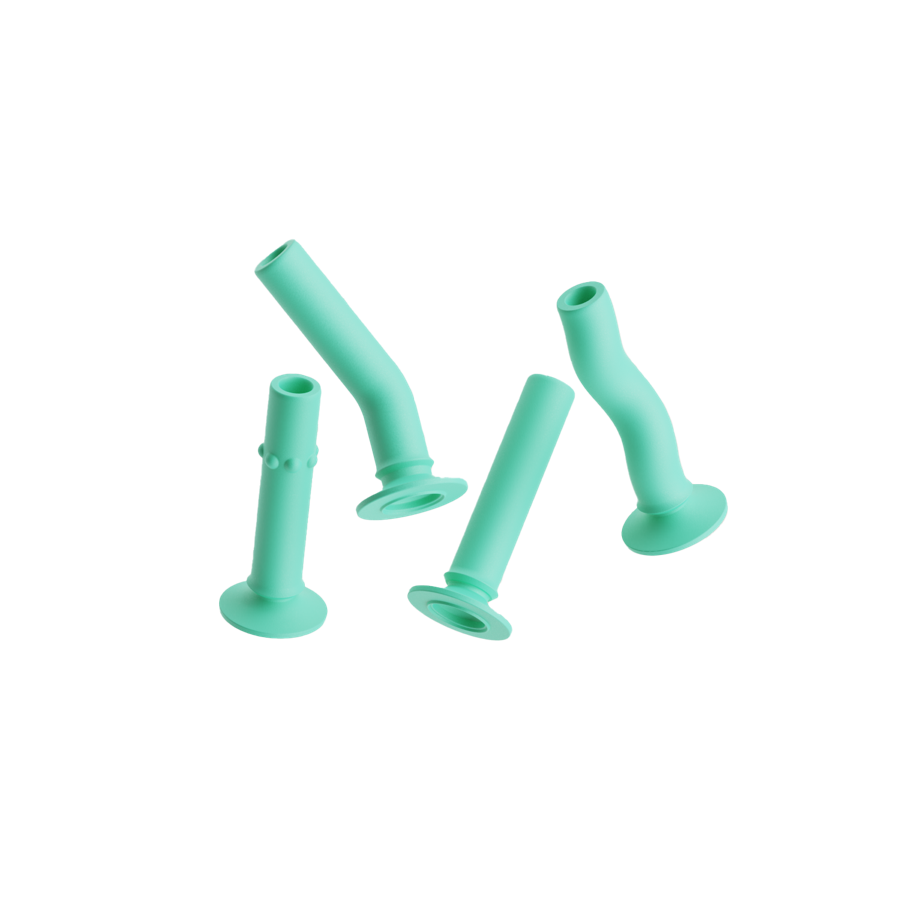
The whole point of a modular system: the cup stays the same, and you change the straw to match the skill your child is building. Here's the cheat sheet.
| Stage | What they're learning | Snap on… |
|---|---|---|
| 6–12 mo first cups | First purposeful suction; getting liquid even when the cup tips | Weighted "any-angle" straw |
| 12–18 mo off the bottle | The cup becomes the everyday drink; chasing the last sip | Weighted straw Angled "last-sip" straw |
| 1.5–3 yr straw + open cup | Refining the straw; starting open-cup practice | Angled straw Standard top straw |
| 3–6 yr big kid | Confident, independent, on-the-go hydration | Standard top straw Open / big-kid lid |
Every other cup in the drawer was outgrown in a season. With Poki Yoki, the base and lid stay; you swap a $5 straw as your child levels up — weighted → angled → standard → big-kid lid. That's the "grows with your child" promise, made literal. Select it. Snap it. Sip it.
Part Twelve
The exact techniques pediatric feeding therapists use — including two "expert secret" tricks most parents have never heard of.
A good starting sweet spot is around 9 months (earlier with the assisted methods below, if your baby is eating purees). Two proven methods:
Tick the techniques you've tried — it's normal to need a few before it clicks.
Part Thirteen
When it goes sideways — and the small things that quietly work.
| The problem | What to try |
|---|---|
| Bites the straw | Often teething or seeking jaw stability. Offer a chew toy first; use a straw stopper; check they have good seated/trunk support (instability triggers biting). |
| Can't create suction | Prime the straw (squeeze or pipette method) for a reward without full suction; use a half-length straw; progress slowly. |
| Refuses the cup entirely | Lower the pressure: let them "feed" a doll first; use a clear cup so they see inside; offer a preferred drink; keep modeling. |
| Throws / dumps it | Usually attention or "all done." Skip the big reaction; calmly remove and re-offer later. Practice over a tray. |
| Gulps too fast / chokes | Smaller cup, smaller volume, thicker liquid, pause between sips. If it persists, get it evaluated. |
| Only one specific cup | Normal preference. Introduce a similar new cup beside the favorite, let them choose, rotate slowly. |
| Gets frustrated | Keep sessions short and playful; exaggerate your own slurp; end on a success; never force. |
Part Fourteen
Straws and one-way valves trap moisture and can grow mold within days — often where you can't see it. To clean safely:
The whole reason feeding experts harp on cleanability is this: the cups that grow mold are the ones that don't disassemble. A valve-less option and parts that fully separate aren't a luxury — they're the hygiene feature.
Coughing/choking, persistent vomiting, or weight loss warrant prompt contact with your pediatrician. An SLP or OT can assess oral-motor skills and safe swallowing and build a plan.
Part Fifteen
A gentle gut-check, not a test. These are typical windows — plenty of happy, healthy kids land a little earlier or later. If a whole stage feels stuck, that's your cue to chat with your pediatrician.
Missing a box isn't a problem — a whole stage with no progress despite consistent practice is worth a professional's eyes (see Part Fourteen).
Part Sixteen
Part Seventeen
We built this guide because we built the cup — after living every stage in it ourselves. Here's how the design maps onto the exact challenges in these pages. (No sales pitch; just the engineering.)
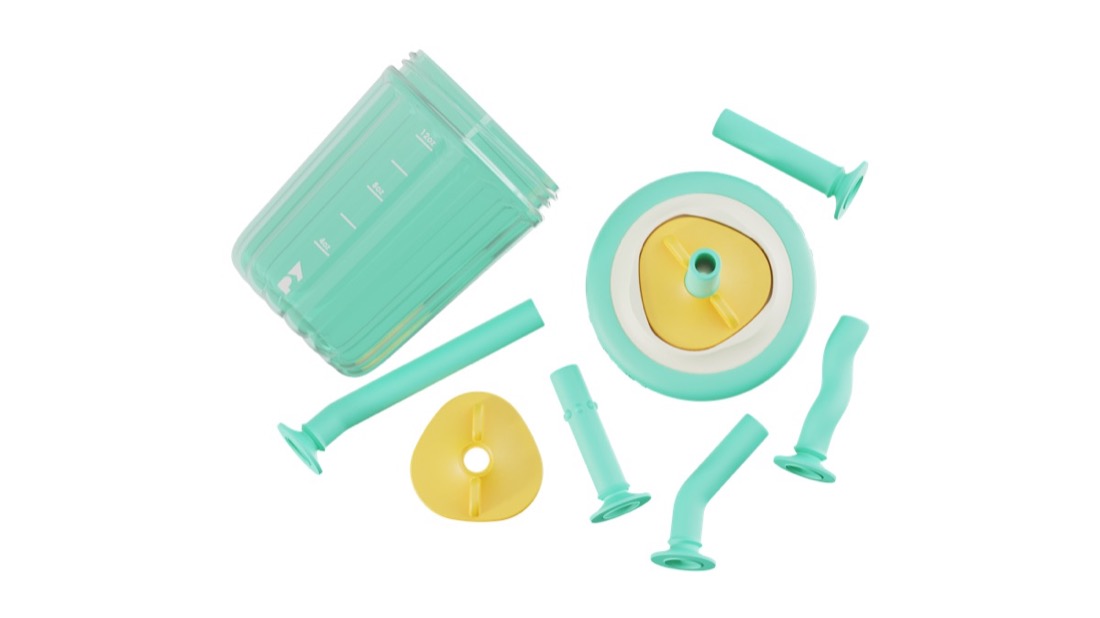
Six magnets in the lid, three in each collar — overmolded into the plastic and sealed away from little hands. The polarity is engineered so the wrong parts simply won't connect.
Solves fiddly, leak-prone assembly — it goes together right every time, even when your toddler "helps."Every part comes apart — including the seal. No valve crevice you can't reach, no trapped-moisture spots.
Solves the #1 cup complaint: hidden mold (Part Fourteen).Four top straws (bend, straight, training, swirl) and two bottom straws — angled "last-sip" and weighted "any-angle." Swap to match the skill.
Solves the gravity / last-sip problem and one cup across stages (Parts 1, 4 & 11).A spill-proof valve for the toddler years, and a free-flow valve as they move toward open-cup sipping.
Solves "right at 18 months, annoying at 4" — both are included.The magnetic seal is engineered to stay shut even when the cup hits the floor — or flies across the room.
Solves spills on the couch, the car, the everywhere.Straws, collars, valves and seals are all sold separately. Swap the worn part — keep the cup.
Solves outgrowing & tossing cups every season (better for your wallet and the planet).Not "most parts." Every component is top-rack dishwasher safe, and stores disassembled to dry fully.
Solves 10 p.m. hand-washing.Clear oz + mL markings molded right into the base.
Solves guessing volumes — handy for paced bottle feeds and small open-cup fills.Tritan plastic, food-grade silicone; BPA-, BPS-, PVC-, phthalate- and lead-free. All parts pass the small-parts choke-tube test.
Solves the "what's it made of?" worry.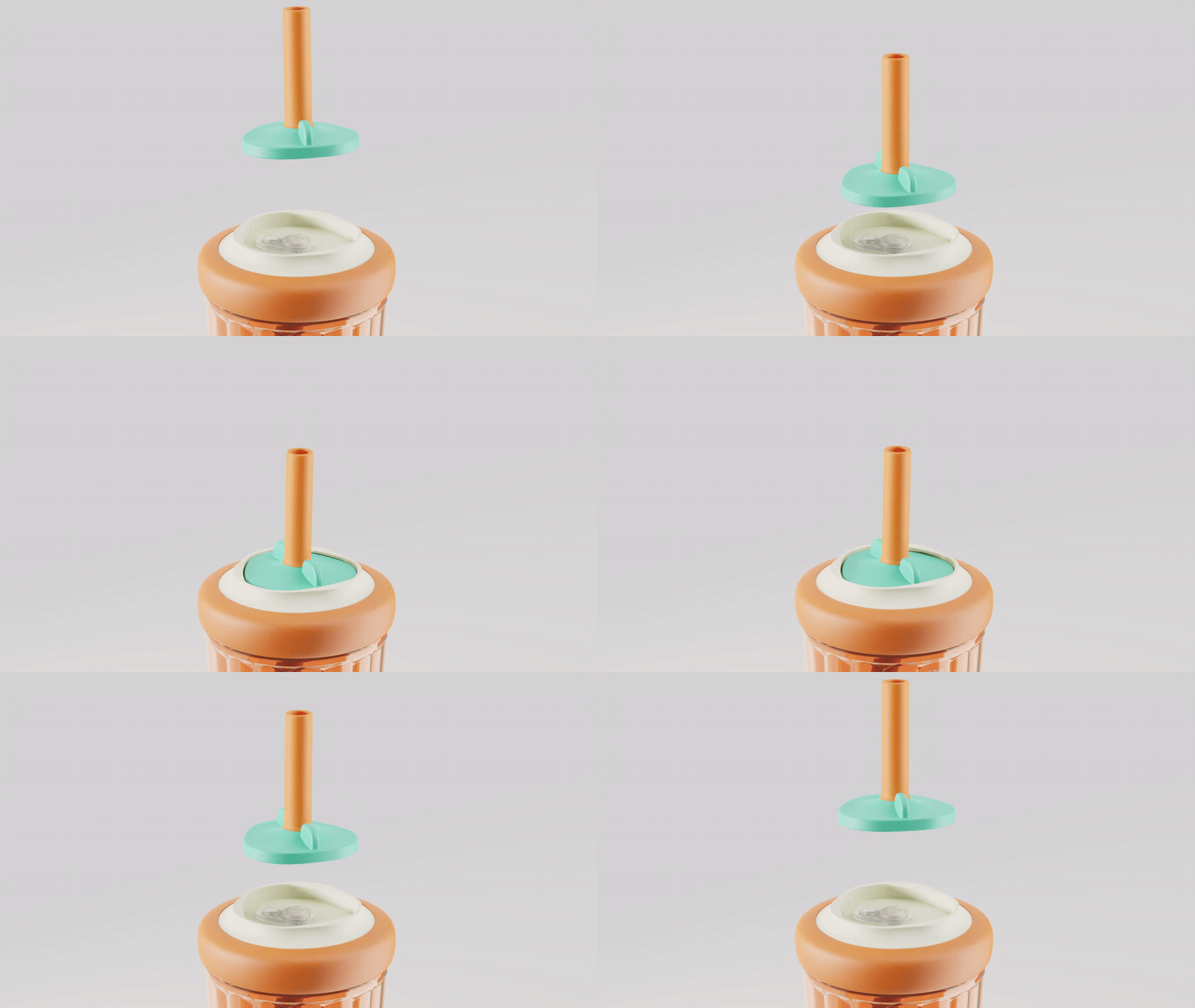
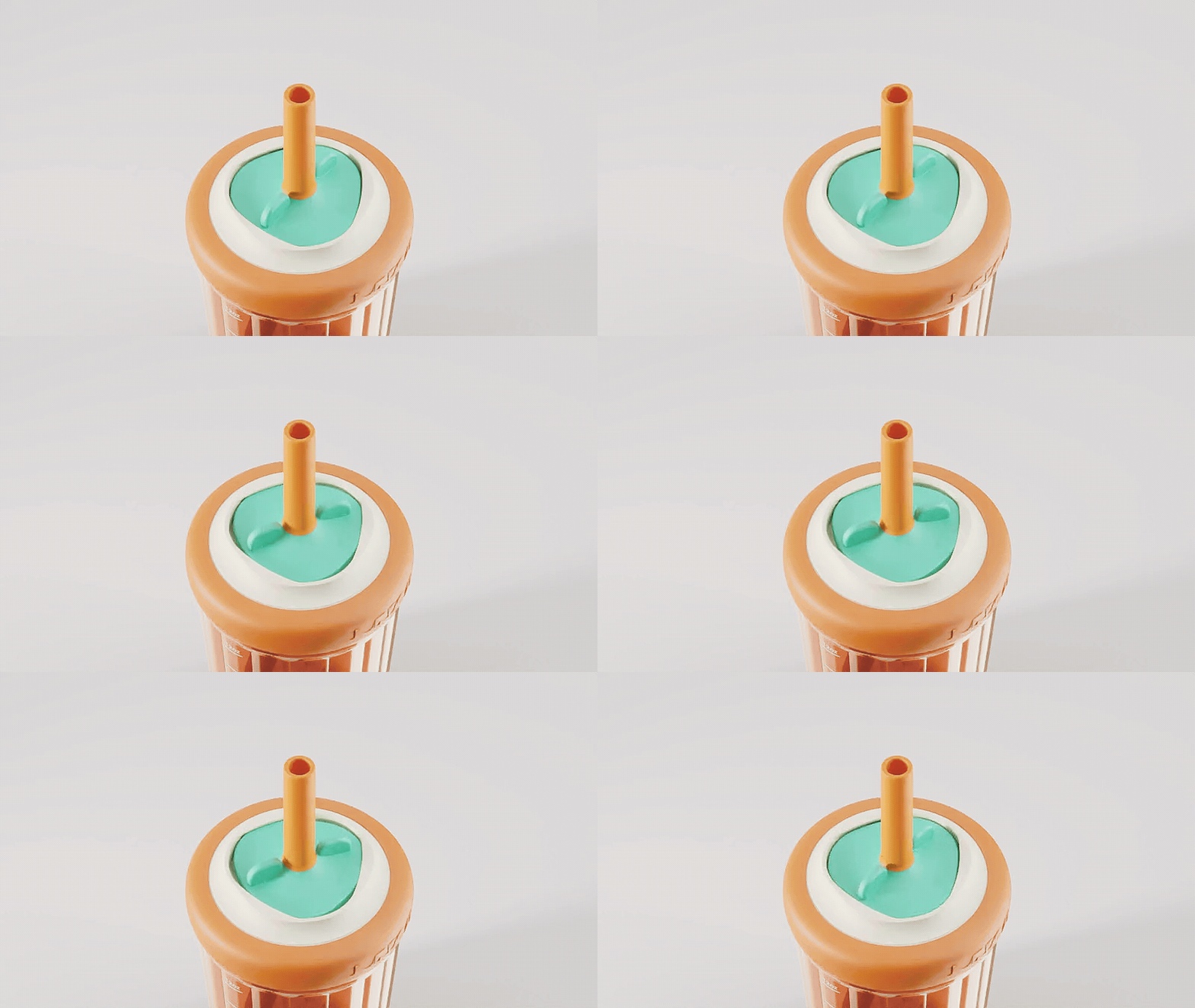
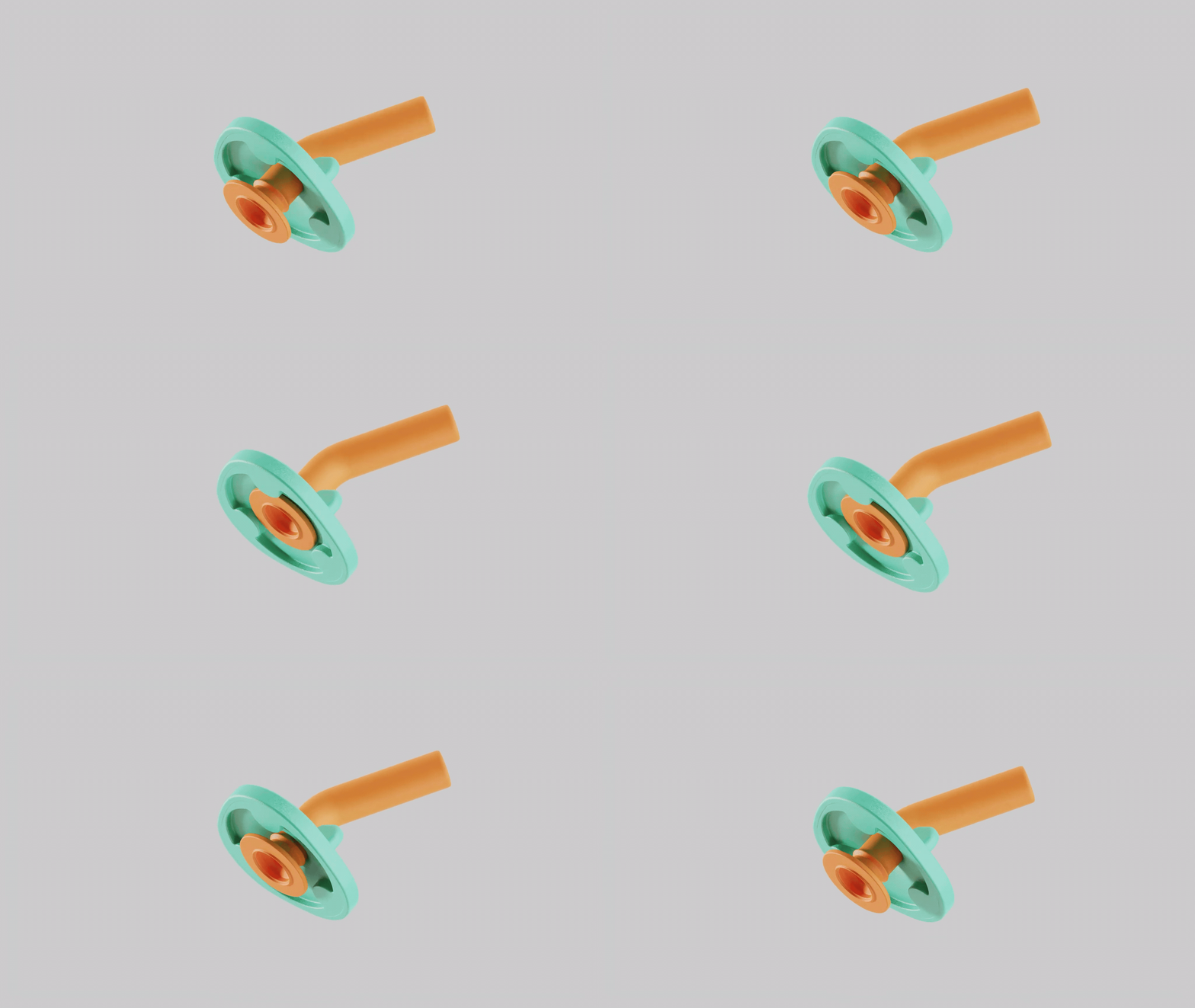
These animations play in the online guide — the downloadable PDF shows the still images.
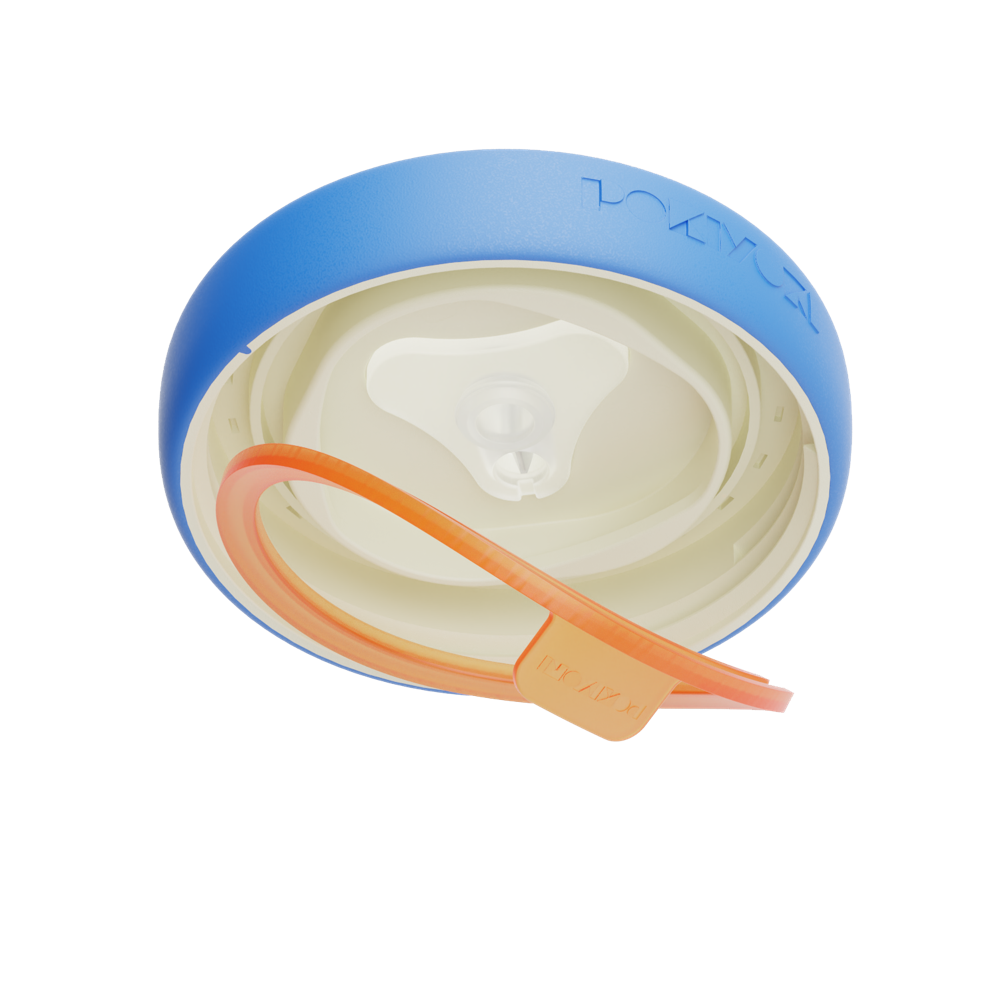
We're a cup company — of course we think ours is the answer. But the design choices above weren't marketing; they were our own pain points as parents, engineered out one at a time. Use whatever cups work for your family. If you ever want one that does all of the above, you know where we are.
Part Eighteen
A single index: the hurdle you'll hit, the page it's on, and the design detail that takes it on.
| The challenge | The Poki Yoki answer |
|---|---|
| Hidden mold in straws & valves (Part 14) | A removable inner seal and parts that disassemble completely — nothing you can't reach and inspect. |
| The last sip / gravity (Parts 1 & 4) | Angled "last-sip" and weighted "any-angle" bottom straws that follow the liquid. |
| Getting off the bottle & spout (Parts 3–4) | A cup genuinely nicer than the bottle, plus a free-flow valve for the open-cup transition. |
| Spills, throws, the car (every stage) | A spill-proof magnetic lid engineered to stay shut even when thrown. |
| Outgrowing cups every season (Part 11) | A modular system — change the straw, keep the cup, from 6 months to big kid. |
| Fiddly assembly & frustration | 12-magnet polarity means it can't go together wrong — kids reassemble it themselves. |
| 10 p.m. hand-washing | Every part is top-rack dishwasher safe. |
| "Is it safe?" | Tritan + food-grade silicone; BPA/BPS/PVC/phthalate/lead-free; choke-tube tested. |
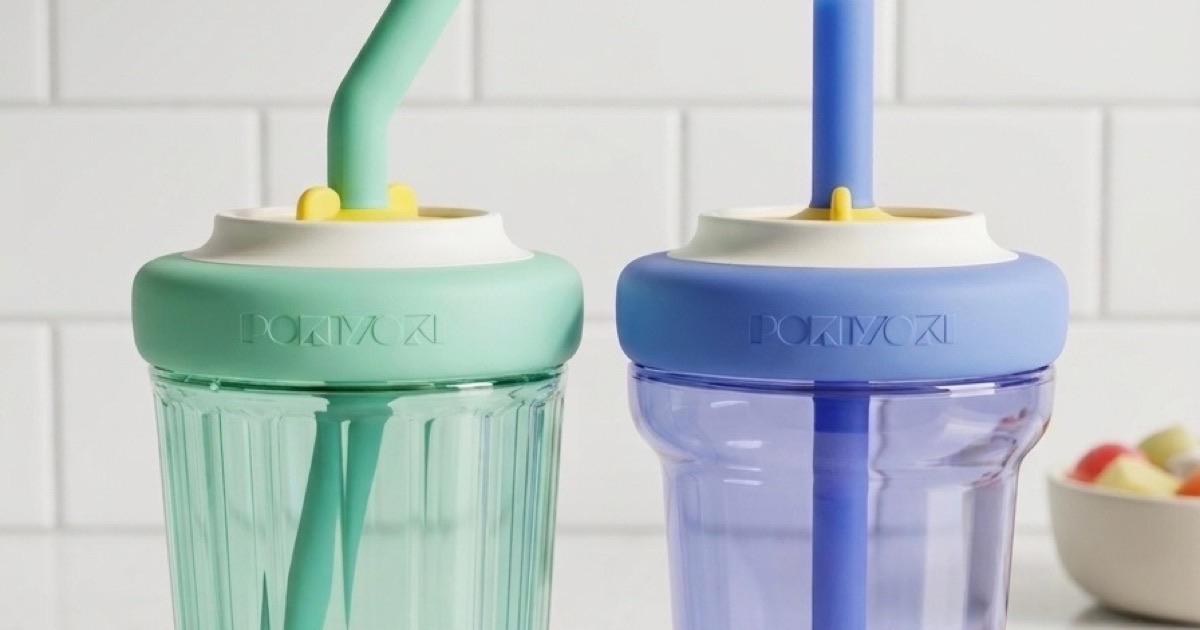
One platform, every stage — and the same embossed lids your kid will recognize as "theirs" for years.
Part Nineteen
When you're ready, you pick the size — not a different cup. Every part is cross-compatible across all of them, and the whole system is covered by a lifetime warranty.
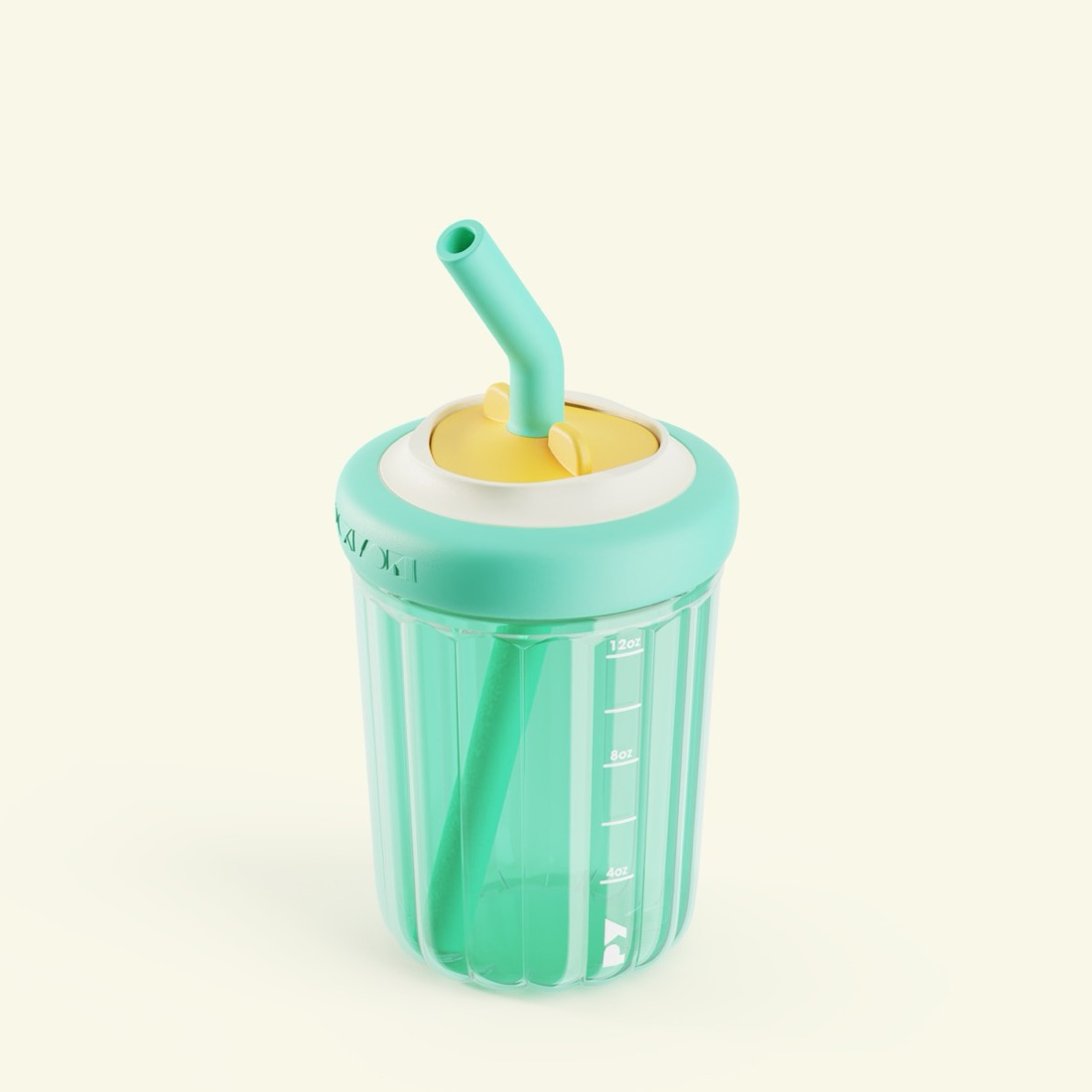
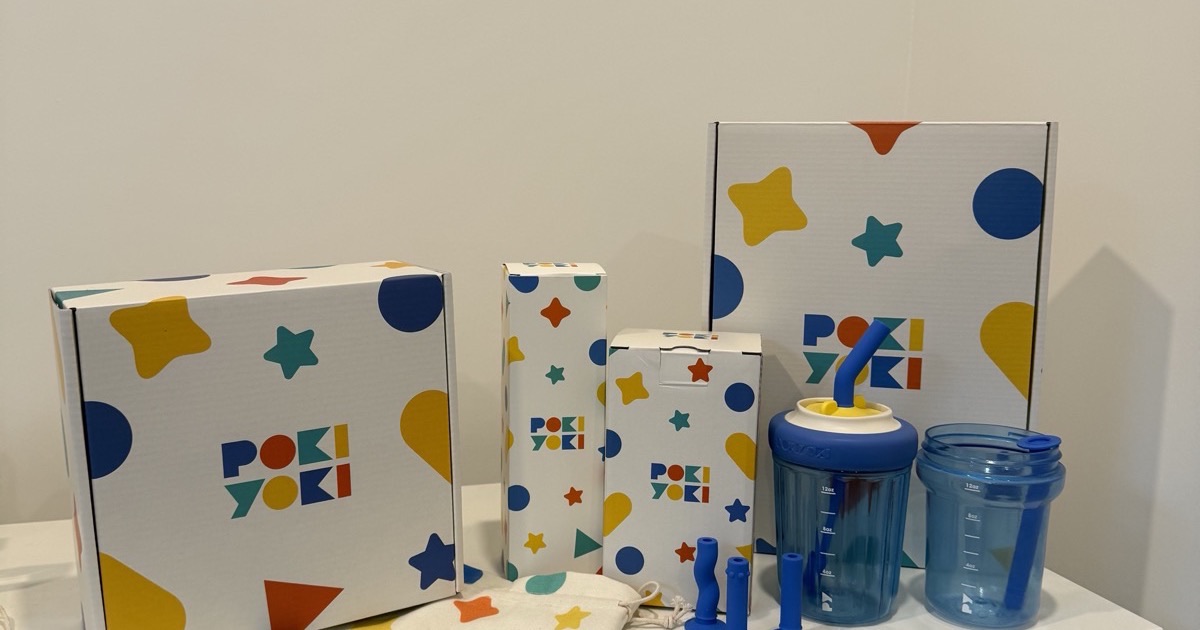
Every system arrives ready to go — cups, the full straw family, valves, spare collars and a storage bag. Pricing shown for reference; confirm current pricing and contents at pokiyoki.com.

One cup for the whole journey
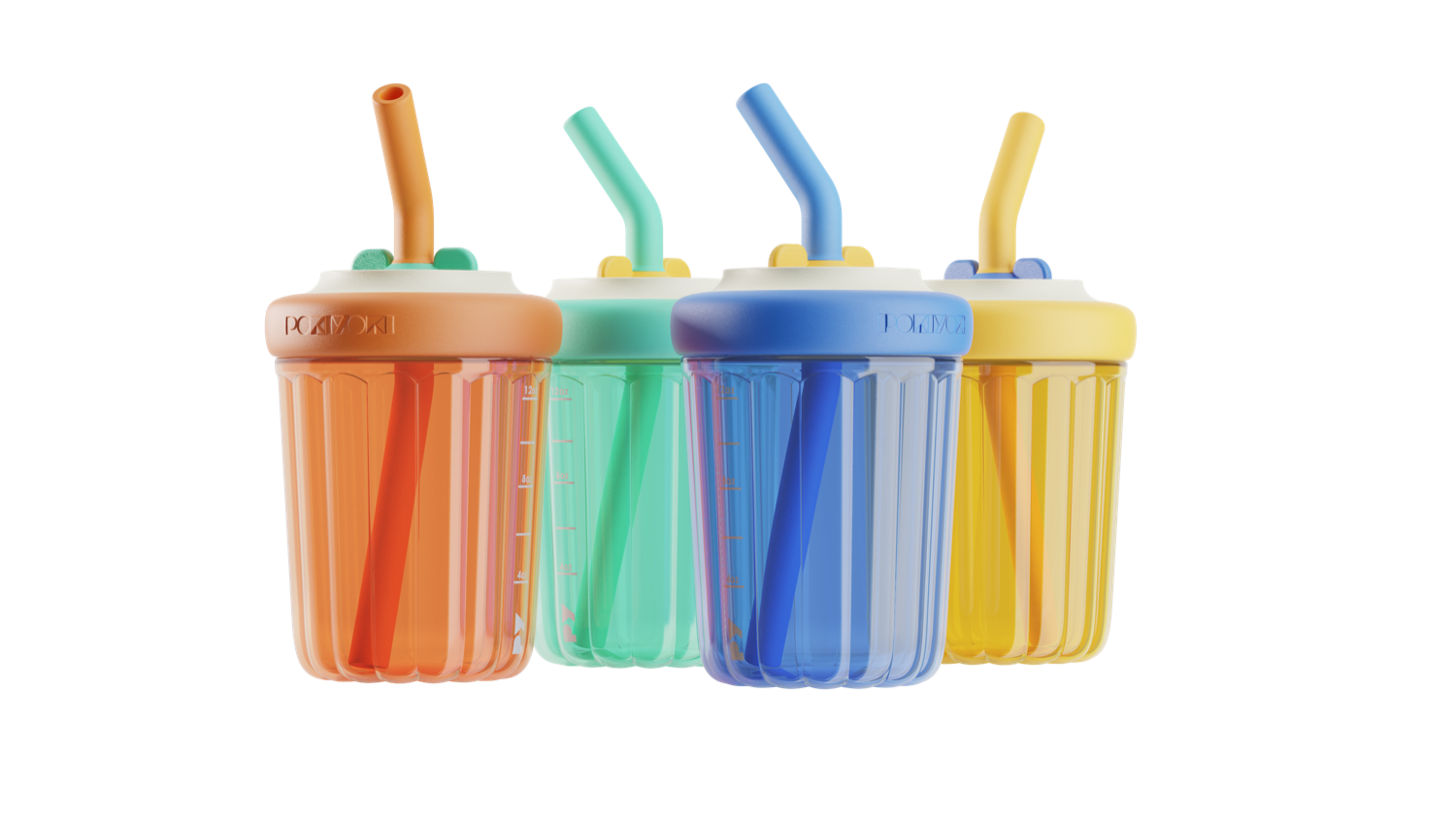
Every stage in this book asks for a different straw — weighted for the first sips, angled for the last sip, simple for the big-kid years. Poki Yoki is a modular, spill-proof cup system where the straws, lids, and bases all interchange. One cup walks the entire path from 6 months to kindergarten. When a part wears out, you replace the part — not the cup.
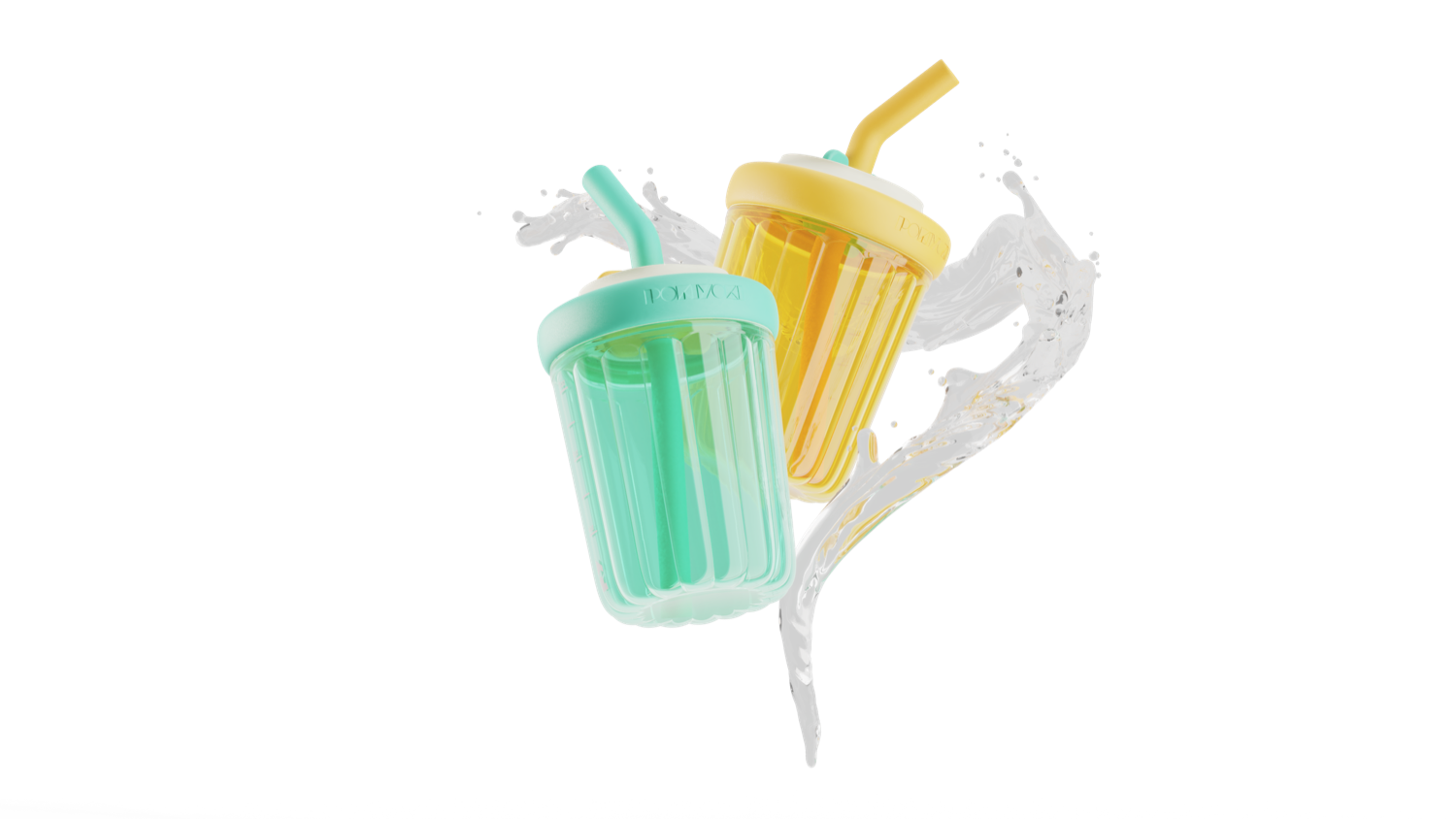
Valve-less spill-proof option · no hidden mold trap · dishwasher-safe · lifetime warranty.
Build your system at pokiyoki.com →Magnetic. Modular. mom approved.
Keep going
Drinking is just one of a dozen "gates" in the toddler years. Join the Poki Yoki parent list and we'll send the right tips at the right age — plus first access to new parts, restocks, and member perks. No spam, just the stuff that helps.
Join the Poki Yoki list →Made for parents, used by kids.
From the first assisted sip to the school-day water bottle — the modular, spill-proof cup system that grows with your child.
The Poki Yoki Parent Library · No. 1